Introduction
The Lightware Layer Framework introduces a revolutionary approach to energy distribution, data visualization, and quantum interactions. By leveraging volumetric layers, this system bridges the gap between quantum mechanics and real-world applications, integrating:
- Atom Lasers: Coherent atomic streams for precise energy transfers.
- Holographic Projections: Interactive spatial mapping for real-time adjustments.
- Energy Pathways: Optimized routes for minimal loss and maximal efficiency.
Volumetric Layer Dynamics
The Lightware Layer operates as a dynamic volumetric system, where each layer performs distinct functions while remaining interconnected. These layers create a cohesive framework that adapts to energy flows, spatial distortions, and quantum interactions.
- Primary Layer: Captures and distributes photonic and atomic energy streams.
- Intermediate Layer: Acts as a buffer, managing holographic data and ensuring coherence.
- Outer Layer: Projects energy pathways and holographic maps for external integration.
Atom Laser Integration
Atom lasers serve as the backbone of the Lightware Layer, offering unparalleled precision and efficiency in energy and data transfer:
- Energy Path Optimization: Directing atomic streams to align with energy pathways for minimal resistance.
- Quantum State Alignment: Ensuring synchronized interactions within the volumetric layers.
- Holographic Projections: Enabling detailed spatial representations of energy and matter distributions.
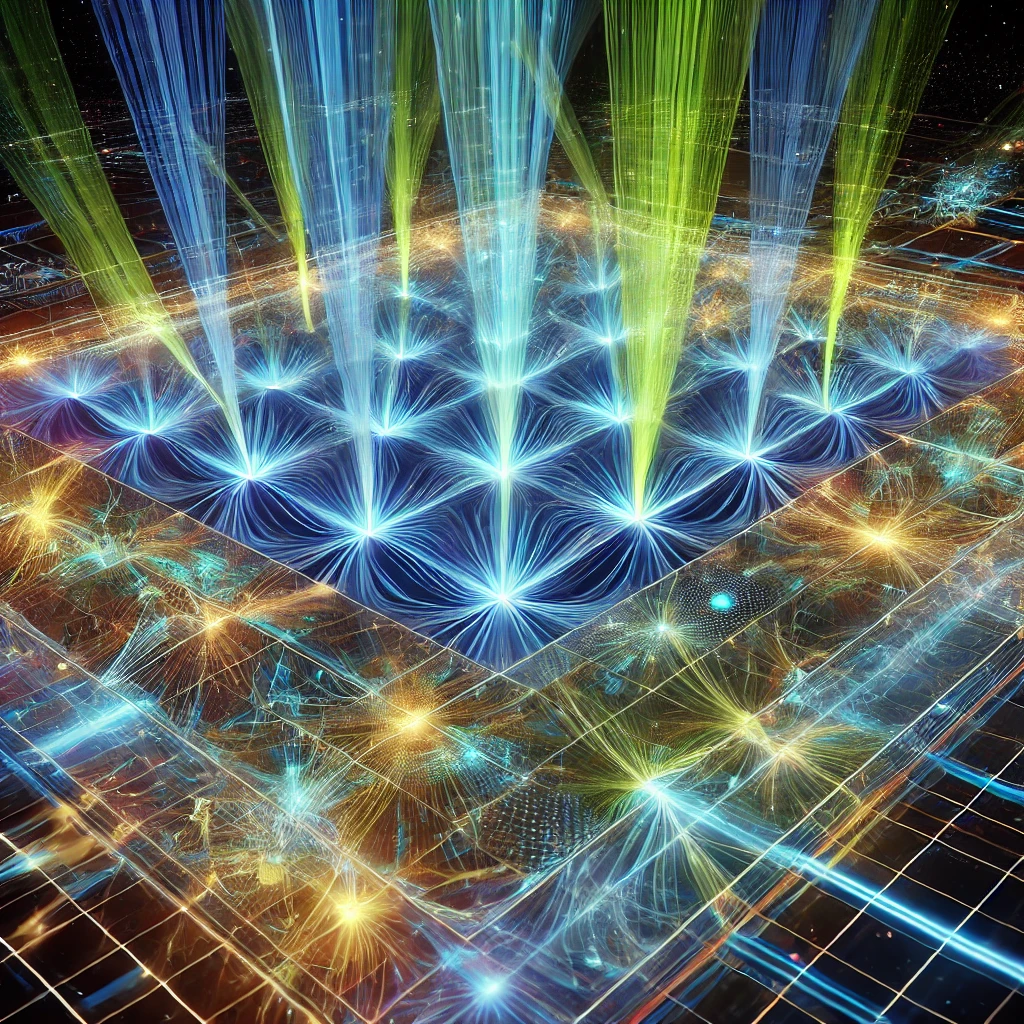
Holographic Projections
One of the most groundbreaking aspects of the Lightware Layer is its ability to create real-time holographic projections:
- Spatial Mapping: Visualize energy pathways and quantum states in three dimensions.
- Dynamic Adjustments: Modify energy flows and pathways based on environmental feedback.
- Interconnectivity: Link holographic maps across multiple Lightware Layers for unified operations.
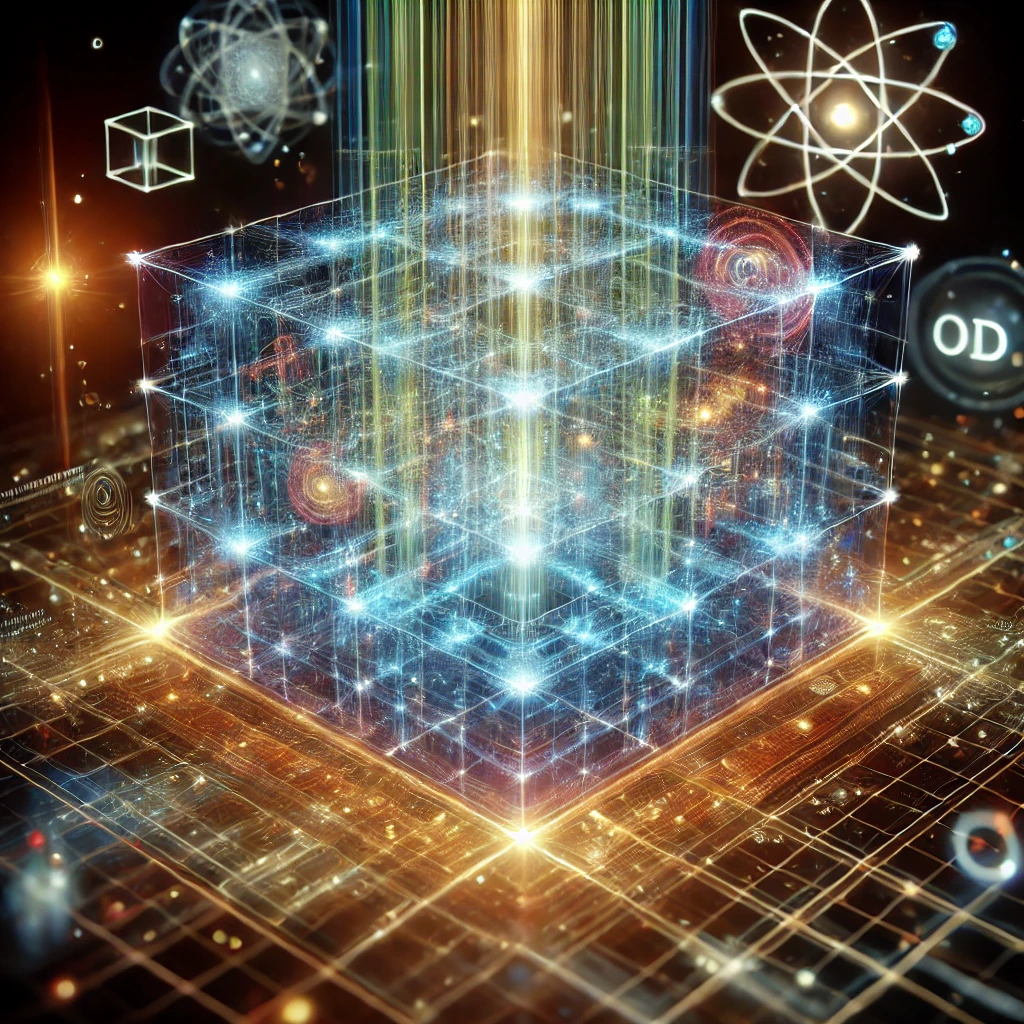
Energy Pathways
The Lightware Layer Framework excels at creating efficient energy pathways, minimizing loss and optimizing distribution:
- Constructive Interference: Amplifies energy flows through coherent atomic streams.
- Phase Matching: Aligns energy waves for maximal efficiency.
- Feedback Loops: Continuously adjusts pathways to ensure optimal performance.
Applications
The Lightware Layer Framework opens new possibilities across various fields:
- Interstellar Communication: Use holographic projections for precise navigation and signal relay.
- Energy Networks: Create sustainable energy grids with minimal loss.
- Advanced Manufacturing: Guide molecular assembly with atom laser precision.
- Medical Imaging: Visualize internal structures with unprecedented clarity using holographic layers.
Future Prospects
As technology advances, the Lightware Layer Framework will evolve to include:
- Universal Connectivity: Link Lightware Layers across vast distances for real-time global operations.
- Self-Adaptive Systems: Enable autonomous adjustments to environmental changes.
- Cosmic Integration: Incorporate gravitational wave dynamics for universal applications.
Conclusion
The Lightware Layer Framework represents a paradigm shift in energy, communication, and material science. By integrating atom lasers, holographic projections, and efficient energy pathways, it lays the foundation for a future where precision and adaptability are at the core of all systems.
<= Back
<= Home (Splash)